To create products that genuinely resonate with users and succeed in the market, a systematic and thoughtful approach to Produktentwicklung is indispensable. It’s more than just an idea; it’s a complex process involving multiple stages, decisions, and continuous learning. From the initial spark of an idea to the final launch and subsequent iterations, focusing on certain core principles can significantly influence the outcome. Neglecting critical aspects can lead to products that fail to meet market demands, frustrate users, or simply don’t stand out in a competitive landscape.
Overview
- Successful Produktentwicklung begins with a deep understanding of customer problems and market needs.
- Thorough market research and validation are essential before significant investment.
- Adopting agile methodologies allows for flexibility, rapid iteration, and adaptation to feedback.
- Cross-functional teams and open communication are vital for aligning diverse skill sets.
- Prioritizing user experience (UX) and intuitive design significantly impacts product adoption and satisfaction.
- Continuous testing, feedback loops, and iterative improvements ensure product quality and relevance.
Focus on User Needs and Market Validation in Produktentwicklung
At the heart of every successful product lies a deep understanding of the people who will use it. Effective Produktentwicklung begins not with a brilliant idea for a solution, but with a clear identification of a problem that needs solving for a specific group of users. This involves extensive user research, including interviews, surveys, and observation, to uncover pain points, unmet needs, and desired outcomes. Without this foundational insight, even the most innovative concept risks becoming a solution without a problem.
Beyond understanding user needs, robust market validation is crucial. This step involves assessing the viability of the product idea within the broader market context. Questions about market size, competitive landscape, potential barriers to entry, and pricing strategies need to be addressed. For instance, in the US market, where competition is often fierce, a product’s unique selling proposition (USP) must be crystal clear and demonstrably valuable. Early validation through prototypes, minimum viable products (MVPs), or landing page tests can provide critical data before committing substantial resources, preventing costly missteps down the line.
The Role of Agile Methodologies in Produktentwicklung Success
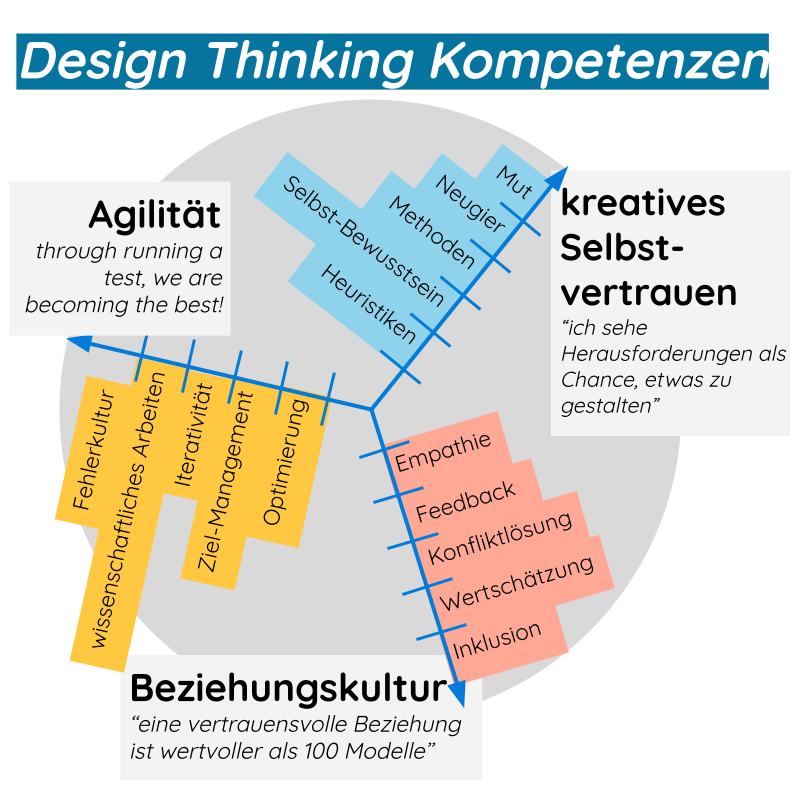
The traditional waterfall approach to Produktentwicklung, with its linear and rigid phases, often struggles in today’s fast-paced environments where market conditions and user expectations can shift rapidly. This is why agile methodologies have become a cornerstone of effective product creation. Agile frameworks like Scrum or Kanban emphasize iterative development, allowing teams to work in short cycles (sprints), deliver small increments of functionality, and continuously gather feedback.
This iterative nature means that products can evolve and adapt based on real-world usage and changing requirements, rather than sticking to a static plan. It fosters flexibility and reduces the risk of building something nobody wants. By regularly reviewing progress and adapting the roadmap, teams engaged in Produktentwicklung can respond quickly to new information, prioritize features based on current value, and ultimately deliver a product that is more aligned with market demands and user expectations at the time of launch.
Fostering Cross-Functional Collaboration for Effective Produktentwicklung
Modern Produktentwicklung is rarely a solitary endeavor; it thrives on the synergy of diverse skills and perspectives. Bringing together individuals from different disciplines—such as design, engineering, marketing, and business analysis—into cross-functional teams is paramount. This setup ensures that various aspects of the product, from its technical feasibility and user experience to its market appeal and business model, are considered concurrently and holistically.
Effective collaboration within these teams requires open communication, mutual respect, and a shared understanding of the product vision. Silos between departments can hinder progress, lead to miscommunications, and result in disjointed product features. When team members work closely, share insights, and challenge assumptions constructively, the resulting product is typically more robust, coherent, and thoughtfully designed. Tools for shared documentation, communication platforms, and regular sync meetings all play a role in maintaining this collaborative flow throughout the entire Produktentwicklung lifecycle.
Ensuring Quality and Iteration in Produktentwicklung
Releasing a product is not the end of Produktentwicklung; it marks a new beginning for continuous improvement. Quality assurance, encompassing rigorous testing and bug fixing, is fundamental to delivering a reliable and satisfying user experience. This includes functional testing, usability testing, performance testing, and security checks to ensure the product performs as expected under various conditions. A product plagued by glitches or poor performance will quickly lose user trust and adoption.
Beyond initial quality, successful products are never truly “finished.” The market evolves, user needs change, and new technologies emerge. Therefore, an ongoing commitment to iteration is vital. Gathering post-launch feedback through analytics, customer support interactions, and direct user input provides invaluable data for future updates and feature enhancements. This iterative loop—build, measure, learn—is a core tenet of modern Produktentwicklung, allowing products to remain relevant, competitive, and continuously deliver value to their users over time.