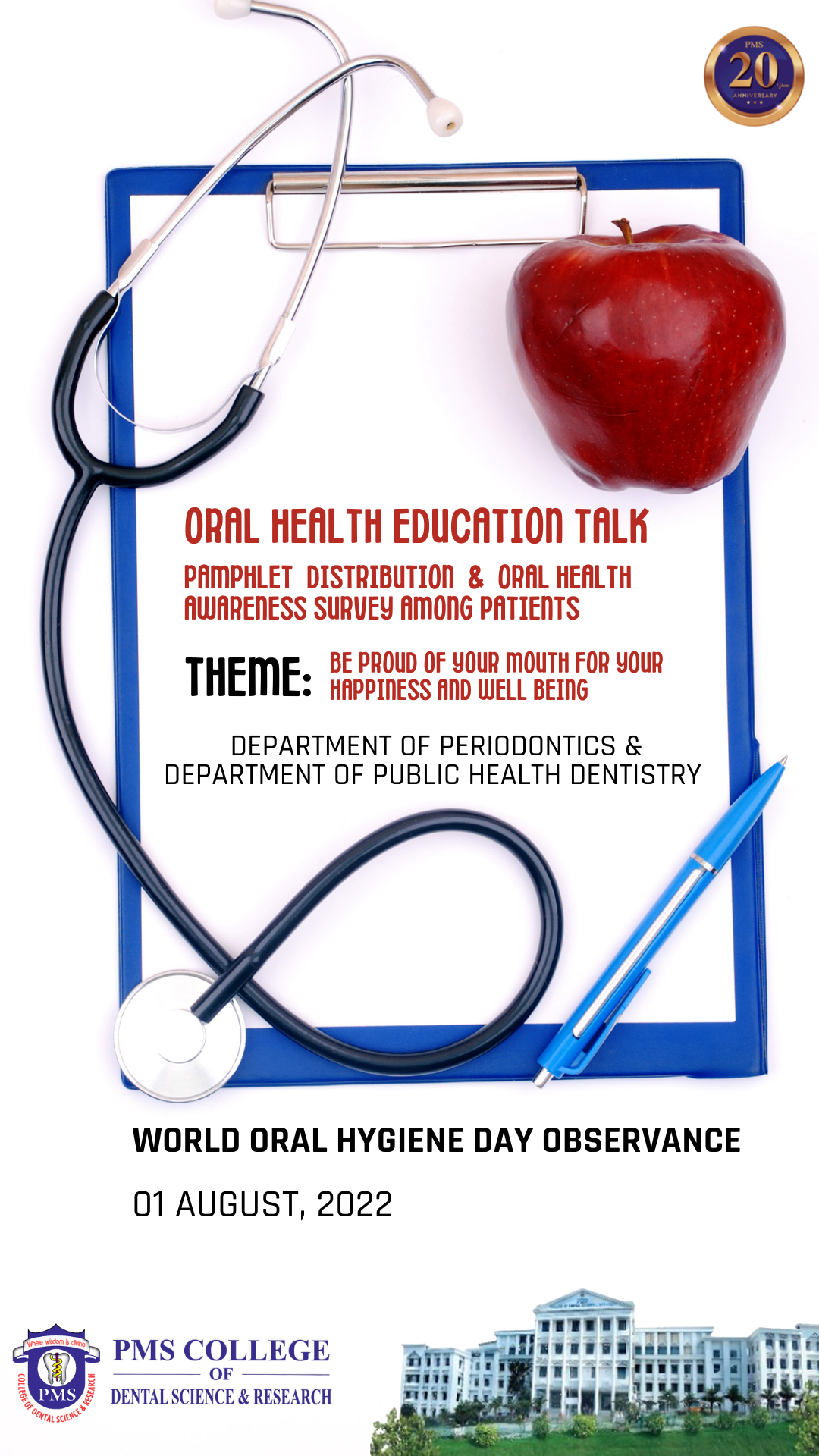
Oral Well-being: Nurturing a Healthy and Confident Smile

Nurturing a Radiant Smile through Comprehensive Oral Well-being

Oral well-being is not just about a bright smile; it’s a reflection of overall health. In this article, we explore the multifaceted aspects of oral well-being, emphasizing the significance of holistic care for a confident and healthy smile.

The Foundation: Understanding Oral Well-being

At the core of oral well-being is a fundamental understanding of dental health. It encompasses more than just brushing and flossing; it involves recognizing the interconnectedness of oral health with overall well-being. Comprehensive oral well-being addresses preventive care, hygiene practices, and the impact of lifestyle choices on dental health.

Practicing Effective Oral Hygiene Habits

Effective oral hygiene habits are the cornerstone of oral well-being. Regular brushing, flossing, and the use of antiseptic mouthwash help prevent plaque buildup, cavities, and gum disease. Establishing a consistent oral hygiene routine is essential for maintaining healthy teeth and gums.

Nutrition for Dental Health: Fueling a Radiant Smile

Nutrition plays a crucial role in oral well-being. A balanced diet rich in vitamins and minerals contributes to strong teeth and gums. Incorporating foods like fruits, vegetables, dairy, and lean proteins supports dental health. Making informed nutritional choices positively impacts oral well-being and enhances the longevity of a radiant smile.

Protecting Oral Health: Beyond Brushing and Flossing

While brushing and flossing are primary, protecting oral health extends to various aspects. Wearing mouthguards during physical activities, avoiding tobacco, moderating alcohol intake, and minimizing sugar consumption all contribute to preserving oral well-being. These protective measures go hand in hand with daily hygiene practices.

Regular Dental Check-ups: A Pillar of Oral Wellness

Dental check-ups are pivotal in maintaining oral well-being. Professional cleanings, examinations, and early detection of dental issues are crucial for preventive care. Regular visits to the dentist not only address immediate concerns but also contribute to long-term oral health and a confident smile.

Gum Health: The Foundation of Oral Well-being

Gum health is integral to overall oral well-being. Gingivitis and periodontal disease can have far-reaching effects on both oral and systemic health. Practicing good oral hygiene, including gum care, and addressing early signs of gum issues are essential steps in nurturing a foundation for lasting oral well-being.

Mindful Practices: Managing Stress for Oral Health

Stress can manifest in various ways, including impacting oral health. Bruxism (teeth grinding), can be a result of stress and adversely affect oral well-being. Mindful practices, such as meditation and stress management, contribute not only to mental health but also to preserving a healthy oral environment.

Children’s Oral Health: Establishing Lifelong Habits

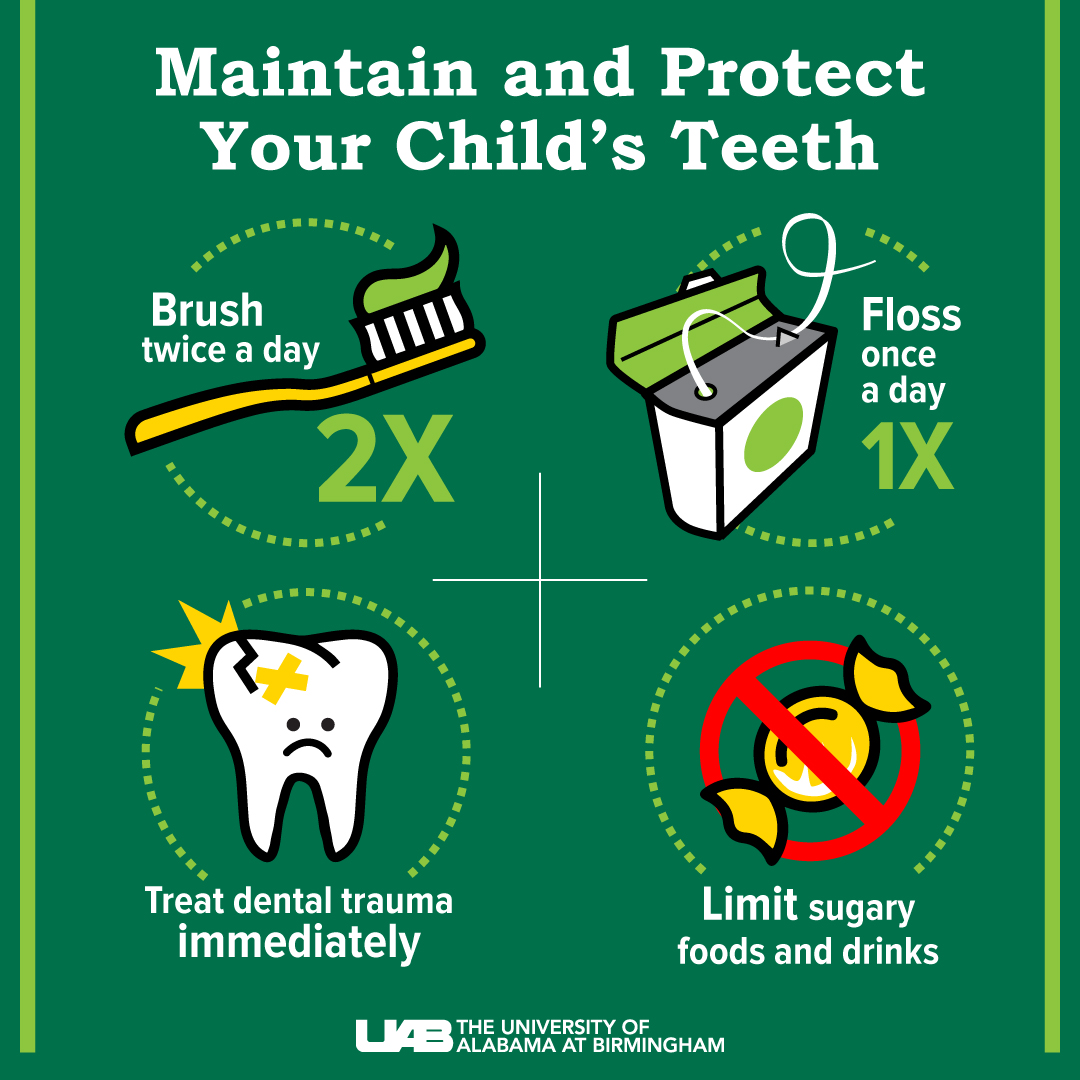
Promoting oral well-being starts early in life. Children’s oral health is critical for establishing lifelong habits. Teaching proper brushing, a balanced diet, and regular dental check-ups from a young age set the stage for a lifetime of good oral health practices.

Cosmetic Dentistry: Enhancing Confidence in Oral Well-being

Cosmetic dentistry plays a role in enhancing confidence in oral well-being. Procedures like teeth whitening, veneers, and orthodontic treatments contribute not only to aesthetics but also to an individual’s sense of confidence and well-being. Balancing cosmetic enhancements with overall dental health is key.

Holistic Approach: Oral Well-being as a Component of Overall Health

In conclusion, oral well-being is a vital component of overall health and happiness. Visit Studentals.net for additional resources and expert guidance on oral well-being. Embracing a holistic approach that encompasses hygiene, nutrition, preventive care, and mindful practices ensures a confident smile that reflects not just dental health but a flourishing well-being.

Clear Skin Secrets: Radiant Practices for Healthy Glow

Clear Skin Secrets: Radiant Practices for a Healthy Glow

Achieving clear and radiant skin goes beyond skincare products; it involves adopting holistic practices that nourish your skin from within. Here are some essential clear skin practices that can contribute to a healthier and more radiant complexion.

1. Proper Hydration: Unlocking the Fountain of Youth

Hydrating your body is one of the fundamental secrets to clear skin. Water helps flush out toxins and promotes overall skin health. Ensure you’re drinking an adequate amount of water daily to keep your skin well-hydrated and supple. Incorporate hydrating foods into your diet, such as water-rich fruits and vegetables, to complement your water intake.

2. Balanced Nutrition: Feeding Your Skin from Within

What you eat has a direct impact on the health of your skin. A diet rich in antioxidants, vitamins, and minerals can promote clear and radiant skin. Include foods like berries, leafy greens, and nuts in your diet, as they contain essential nutrients that support skin health. Avoid excessive consumption of processed foods and sugar, as they can contribute to skin issues.

3. Consistent Skincare Routine: A Ritual for Radiance

Establishing a consistent skincare routine is crucial for maintaining clear skin. Cleanse your skin to remove impurities, use a suitable toner to balance the pH, and apply a moisturizer to keep your skin hydrated. Incorporate sunscreen into your daily routine to protect your skin from harmful UV rays. Consistency is key, so make sure to follow your routine morning and night.

4. Stress Management: The Clear Skin-Mind Connection

Stress can take a toll on your skin, leading to breakouts and dullness. Incorporate stress-reducing practices into your daily life, such as meditation, deep breathing exercises, or yoga. Adequate sleep is also essential for skin regeneration and repair. By managing stress, you can positively impact your skin’s health and achieve a clearer complexion.

5. Regular Exercise: Sweat It Out for Clear Skin

Exercise not only benefits your overall health but also contributes to clear skin. Physical activity promotes circulation, which helps nourish skin cells and keep them healthy. Additionally, sweating during exercise helps eliminate toxins from your body, leading to clearer pores. Aim for regular exercise, whether it’s through a workout routine, jogging, or even a brisk walk.

6. Mindful Skincare Product Selection: Quality Over Quantity

When it comes to skincare products, quality matters more than quantity. Choose products suitable for your skin type, and be mindful of the ingredients they contain. Opt for products with natural and gentle ingredients, avoiding harsh chemicals that may irritate your skin. Patch test new products before incorporating them into your routine to ensure they don’t trigger any adverse reactions.

Incorporating these clear skin practices into your daily life can lead to a noticeable improvement in your skin’s health and appearance. Remember, achieving clear skin is a holistic journey that involves nourishing your body, mind, and skin from within.

To delve deeper into clear skin practices and discover more tips for a radiant complexion, check out Clear Skin Practices. This comprehensive resource provides valuable insights and expert advice on achieving and maintaining clear, healthy skin.

Empowering Women: Holistic Wellness Education for Life

Empowering Women: Holistic Wellness Education for Life

Women’s wellness encompasses physical, mental, and emotional well-being, making education in this realm crucial for a fulfilling and healthy life. In this comprehensive guide, we’ll explore the importance of women’s wellness education and practical strategies for empowering women to prioritize their health.

Understanding Holistic Wellness for Women

Women’s wellness education goes beyond addressing physical health; it includes mental and emotional aspects. A holistic approach considers the interconnectedness of these elements, recognizing that overall well-being is a combination of various factors. Understanding this holistic perspective forms the foundation for effective women’s wellness education.

Now, for more detailed insights and expert advice on women’s wellness education, explore Women’s Wellness Education. This resource provides valuable information to support your journey toward holistic well-being.

Promoting Physical Health

Physical health is a central component of women’s wellness. Education in this area focuses on essential aspects such as nutrition, exercise, and preventive healthcare. Empowering women with knowledge about maintaining a healthy lifestyle fosters long-term physical well-being.

Prioritizing Mental Health Awareness

Women’s wellness education places a significant emphasis on mental health awareness. Addressing stress management, anxiety, and depression equips women with the tools to navigate the complexities of modern life. Mental well-being is integral to overall health and happiness.

Embracing Emotional Resilience

Emotional resilience is a key aspect of women’s wellness. Education in this realm helps women develop coping mechanisms, emotional intelligence, and the ability to navigate life’s challenges. Embracing emotional resilience contributes to a more fulfilling and balanced life.

Reproductive Health Education

Education in reproductive health is essential for women at different stages of life. Topics may include family planning, menstrual health, pregnancy, and menopause. Access to accurate information empowers women to make informed decisions about their reproductive well-being.

Building Healthy Relationships

Women’s wellness education extends to building and maintaining healthy relationships. This includes communication skills, boundary-setting, and recognizing signs of unhealthy relationships. Nurturing healthy connections contributes to emotional well-being.

Financial Literacy for Independence

Financial literacy is a critical component of women’s wellness. Education in this area empowers women to make informed financial decisions, fostering independence and security. Understanding budgeting, investing, and financial planning enhances overall well-being.

Cultivating Self-Care Practices

Women’s wellness education emphasizes the importance of self-care. Teaching women to prioritize their well-being through practices like mindfulness, relaxation techniques, and adequate sleep contributes to a healthier and more balanced life.

Navigating Life Transitions

Life is filled with transitions, and women’s wellness education supports women through these changes. Whether it’s transitioning to motherhood, managing career changes, or navigating midlife, education in this area provides guidance and support.

Community Engagement and Support

Women’s wellness is not an individual journey; community engagement plays a vital role. Education that encourages women to connect, share experiences, and seek support creates a network that fosters well-being.

In conclusion, women’s wellness education is a powerful tool for empowering women to lead healthy, fulfilling lives. By addressing physical, mental, emotional, and reproductive health, along with other crucial aspects, education in women’s wellness sets the stage for a holistic approach to well-being. For ongoing support and additional insights, visit Women’s Wellness Education.

Healthy Habits for Bright Smiles: Dental Health Routines

Healthy Habits for Bright Smiles: Dental Health Routines

Maintaining excellent dental health is a commitment that pays off with a bright, confident smile and overall well-being. This article delves into effective dental health routines, offering valuable insights for achieving and preserving optimal oral health.

Now, for more detailed insights and expert advice on dental health routines, explore Dental Health Routines. This resource provides valuable information to support your journey towards a lifetime of healthy smiles.

Daily Brushing and Flossing Essentials

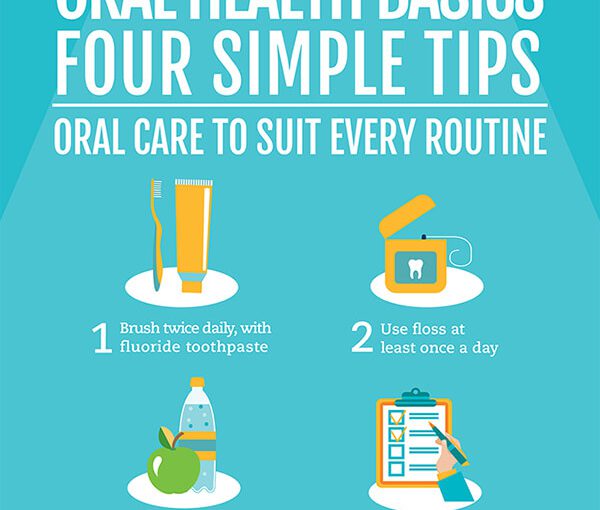
The cornerstone of any dental health routine is daily brushing and flossing. Brush your teeth twice a day using fluoride toothpaste and a soft-bristled toothbrush. Don’t forget to floss between your teeth to remove plaque and prevent cavities. Consistent daily care sets the foundation for a healthy smile.

Choosing the Right Oral Care Products

Selecting the right oral care products is crucial for effective dental health. Choose a toothbrush with the appropriate size and bristle softness for your mouth. Opt for fluoride toothpaste to strengthen enamel and prevent tooth decay. Consult your dentist for personalized recommendations based on your oral health needs.

Balanced Diet for Strong Teeth and Gums

Nutrition plays a vital role in dental health. A balanced diet rich in calcium, vitamin D, and other essential nutrients promotes strong teeth and gums. Incorporate dairy products, leafy greens, and lean proteins into your diet. Limit sugary snacks and acidic foods, as they can contribute to tooth decay.

Regular Dental Check-ups for Preventive Care

Preventive care through regular dental check-ups is paramount. Schedule visits to your dentist at least twice a year for professional cleanings and examinations. Early detection of dental issues allows for prompt intervention, preventing more extensive problems and ensuring a healthy smile.

Effective Techniques for Brushing and Flossing

Brushing and flossing may seem routine, but the technique matters. Use gentle, circular motions when brushing your teeth, reaching all surfaces. Floss carefully between each tooth, ensuring thorough cleaning. Proper technique enhances the effectiveness of your oral care routine.

Addressing Oral Health Issues Promptly

Promptly addressing any oral health issues is a key aspect of maintaining dental health. If you experience tooth sensitivity, bleeding gums, or any other concerns, consult your dentist promptly. Early intervention prevents the escalation of problems and supports long-term oral health.

Preventing Tooth Decay with Fluoride

Fluoride is a powerful ally in preventing tooth decay. Many communities have fluoridated water, and fluoride is a common ingredient in toothpaste. Additionally, your dentist may recommend fluoride treatments for added protection, especially if you are at a higher risk of cavities.

Practicing Good Habits Beyond Oral Care

Good dental health extends beyond oral care practices. Avoid smoking and limit alcohol consumption, as these habits can contribute to oral health issues. Stay hydrated, as saliva helps neutralize acids and cleanse the mouth. Healthy lifestyle choices positively impact your overall oral health.

Nighttime Oral Care Habits

Don’t forget your teeth before bedtime. Brush your teeth and floss thoroughly before going to sleep. This routine removes plaque accumulated during the day, preventing bacterial growth and potential oral health issues. Nighttime care contributes to a healthy oral environment.

Educating and Involving Children in Oral Care

Instilling good oral care habits in children is a gift for a lifetime. Educate them on the importance of brushing, flossing, and a balanced diet. Make oral care enjoyable and involve them in the routine. Regular dental check-ups from a young age set the stage for a lifetime of healthy smiles.

In conclusion, adopting and maintaining effective dental health routines is a proactive approach to preserving your oral health. By incorporating these habits into your daily life and seeking guidance from Dental Health Routines, you invest in a future of bright smiles and lasting oral well-being.

Heart Health Education: Vital Insights for a Strong Heart

Understanding the Importance of Heart Health Education

Heart health is a critical aspect of overall well-being, and staying informed is the first step towards maintaining a strong and healthy heart. Through effective heart health education, individuals can gain valuable insights that empower them to make informed choices for cardiovascular well-being.

The Role of Lifestyle Choices in Heart Health

Lifestyle plays a significant role in heart health. Adopting a healthy diet, engaging in regular physical activity, and avoiding tobacco can greatly contribute to a strong cardiovascular system. Understanding the impact of lifestyle choices is fundamental in preventing heart diseases and promoting a heart-healthy life.

Nutrition and Heart-Friendly Eating Habits

A key component of heart health education is learning about proper nutrition. Embracing a heart-friendly diet involves incorporating fruits, vegetables, whole grains, and lean proteins while minimizing saturated and trans fats. Educating oneself about nutritional choices lays the foundation for a heart-healthy lifestyle.

Exercise as a Pillar of Cardiovascular Well-being

Regular exercise is a cornerstone of heart health. Engaging in physical activity helps maintain a healthy weight, lowers blood pressure, and improves overall cardiovascular function. Heart health education emphasizes the importance of incorporating exercise into daily routines for a stronger and resilient heart.

Understanding Heart Diseases and Risk Factors

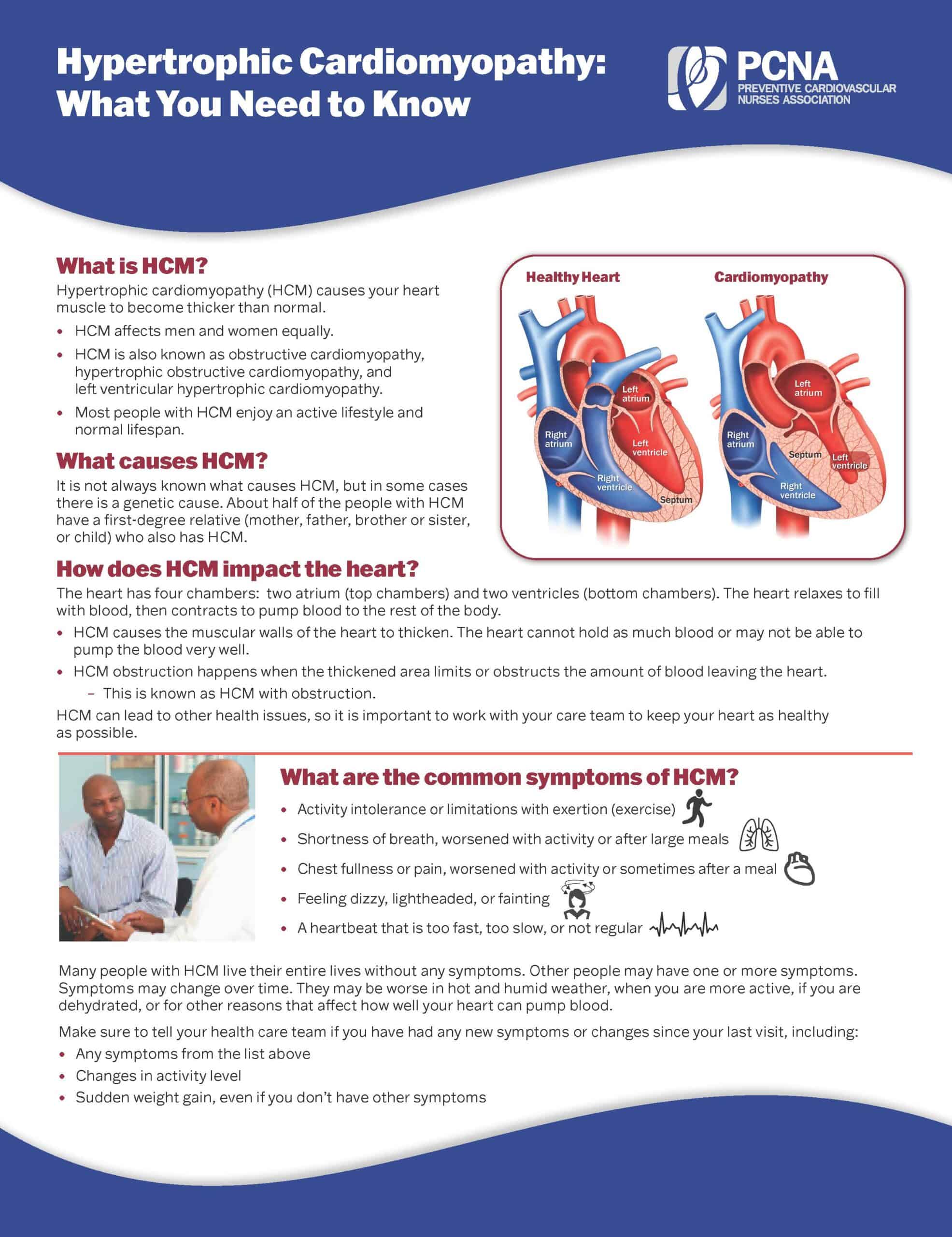
Heart health education also involves awareness of common heart diseases and their risk factors. Knowledge about conditions such as coronary artery disease, heart failure, and arrhythmias enables individuals to recognize symptoms early and seek timely medical attention. Identifying and managing risk factors like high blood pressure and cholesterol is crucial for preventing heart issues.

The Role of Stress Management in Heart Health

Stress can have a profound impact on heart health. Learning effective stress management techniques, such as mindfulness and relaxation exercises, is integral to a comprehensive heart health education. Managing stress contributes to overall well-being and reduces the risk of heart-related problems.

Regular Check-ups and Preventive Care

Heart health education emphasizes the significance of regular check-ups and preventive care. Routine visits to healthcare professionals allow for the monitoring of key indicators like blood pressure and cholesterol levels. Early detection of potential issues enables proactive intervention, promoting long-term heart health.

Community Resources for Heart Health Support

Communities often offer resources and support for individuals seeking to enhance their heart health. Heart health education extends beyond individual efforts to encompass community initiatives, workshops, and resources that provide valuable information and encouragement for maintaining a heart-healthy lifestyle.

Educational Platforms and Online Resources

In today’s digital age, various educational platforms and online resources offer a wealth of information on heart health. Accessible articles, videos, and interactive tools contribute to ongoing heart health education, empowering individuals to make informed decisions about their cardiovascular well-being.

Heart Health Education: Your Path to a Stronger Heart

In the journey toward heart health, knowledge is a powerful tool. By prioritizing heart health education, individuals can take proactive steps to safeguard their cardiovascular well-being. Visit Studentals.net for additional resources and expert guidance on heart health education, providing you with the information needed to make heart-healthy choices and live a fulfilling life.

Radiant Minds: Nurturing Positive Psychological Health

Embracing Radiance: Nurturing Positive Psychological Health

Embarking on a journey of positive psychological health involves cultivating a mindset that fosters well-being and resilience. Explore the facets of nurturing a radiant mind and embracing a positive approach to mental and emotional flourishing.

Foundations of Positive Psychology: A Paradigm Shift

Positive psychological health stems from the foundations of positive psychology—a paradigm shift that focuses on strengths, virtues, and factors that contribute to a fulfilling life. It encourages individuals to explore what makes life worth living, emphasizing happiness, gratitude, and the pursuit of a meaningful existence.

Cultivating a Positive Mindset: The Power of Optimism

Central to positive psychological health is the cultivation of a positive mindset. Optimism becomes a guiding force, allowing individuals to approach challenges with resilience and view setbacks as opportunities for growth. Positive psychology explores the transformative power of maintaining a hopeful and optimistic outlook on life.

Mindfulness Practices: Anchoring in the Present Moment

Mindfulness practices play a pivotal role in fostering positive psychological health. By anchoring in the present moment, individuals can reduce stress, enhance self-awareness, and cultivate a deeper connection with their thoughts and emotions. Mindfulness becomes a tool for navigating life’s complexities with grace and presence.

Gratitude as a Pillar: Elevating Emotional Well-being

Gratitude stands as a pillar of positive psychological health, elevating emotional well-being. Regularly expressing gratitude fosters a positive perspective, shifts focus towards abundance, and enhances overall life satisfaction. Positive psychology explores the myriad benefits of integrating gratitude practices into daily life.

Building Resilience: Bouncing Back Stronger

Positive psychological health emphasizes the importance of resilience—the ability to bounce back from adversity stronger than before. Resilience involves adapting to challenges, learning from experiences, and maintaining a positive outlook even in the face of difficulties. Positive psychology provides insights into building and strengthening resilience.

Positive Relationships: Nurturing Social Well-being

Positive relationships are a cornerstone of psychological health. Positive psychology explores the dynamics of fostering meaningful connections, building a supportive social network, and navigating interpersonal relationships with empathy and understanding. Positive interactions contribute significantly to overall well-being.

Pursuit of Meaning and Purpose: A Fulfilling Journey

Living a life with meaning and purpose is integral to positive psychological health. Positive psychology delves into the pursuit of personal goals, the discovery of one’s passions, and the alignment of actions with core values. A sense of purpose becomes a guiding force in creating a fulfilling and satisfying life.

Positive Interventions: Practical Strategies for Well-being

Positive psychological interventions offer practical strategies for enhancing well-being. These may include activities like journaling, engaging in acts of kindness, or participating in positive affirmations. Positive psychology encourages individuals to integrate these interventions into their daily lives, fostering a continuous upward spiral of positivity.

Holistic Approach: Integrating Mind, Body, and Spirit

Positive psychological health embraces a holistic approach, recognizing the interconnectedness of mind, body, and spirit. Positive psychology encourages practices that promote physical health, emotional well-being, and spiritual growth. This holistic perspective provides a comprehensive framework for nurturing positive psychological health.

Explore Positive Psychological Health: Visit Studentals.net

For those seeking to explore and enhance their positive psychological health, Studentals.net offers a wealth of resources. Discover articles, courses, and insights to support your journey toward a radiant mind and a positive approach to mental and emotional flourishing.

A Bright Path Ahead: Positive Psychological Health in Action

Positive psychological health is not a destination but a continuous journey. By embracing the foundations of positive psychology, cultivating a positive mindset, incorporating mindfulness practices, and fostering positive relationships, individuals can navigate life with resilience and joy. Visit Studentals.net to embark on a bright path toward positive psychological well-being.

EmpowerED: Reproductive Health and Wellness Education

EmpowerED: Reproductive Health and Wellness Education

Reproductive health and wellness education is a cornerstone of overall well-being. In this article, we explore the significance of comprehensive education in empowering individuals to make informed decisions about their reproductive health.

Understanding Reproductive Health and Wellness

Reproductive health and wellness encompass a broad spectrum of topics, from sexual health and family planning to emotional well-being. Comprehensive education in this area goes beyond the basics, providing individuals with the knowledge and skills needed to navigate various aspects of reproductive health confidently.

Holistic Approach to Sexual Education

A holistic approach to sexual education is essential for addressing the diverse needs of individuals. It includes information about anatomy, contraception, sexually transmitted infections (STIs), consent, and healthy relationships. A well-rounded sexual education curriculum empowers individuals to make informed choices and fosters a respectful and consensual approach to relationships.

Family Planning and Contraception Education

Empowering individuals with knowledge about family planning and contraception is crucial. Understanding different contraceptive methods, their effectiveness, and their potential impact on reproductive health allows individuals to make choices aligned with their life goals. Comprehensive education in this area contributes to responsible family planning decisions.

Emotional and Mental Well-being in Reproductive Health

Reproductive health education should also address emotional and mental well-being. Topics like body image, self-esteem, and managing emotional aspects of sexual relationships play a vital role. A holistic approach recognizes the interconnectedness of physical and mental health in the realm of reproductive well-being.

Safe Practices and STI Prevention

Education about safe sexual practices and prevention of sexually transmitted infections is paramount. Providing information on STIs, their transmission, and methods of prevention promotes responsible behavior and reduces the risk of infections. Reproductive health education plays a key role in fostering a culture of sexual health and responsibility.

Navigating Fertility and Pregnancy Education

Comprehensive reproductive health education includes information on fertility, conception, and pregnancy. Individuals should be informed about the factors influencing fertility, the menstrual cycle, and pregnancy-related care. This knowledge empowers individuals to make informed decisions about family planning and understand the changes during pregnancy.

Inclusivity and Diversity in Reproductive Education

A robust reproductive health education program is inclusive and considers diverse experiences. It recognizes different cultural perspectives, gender identities, and sexual orientations. Inclusivity in education promotes a supportive and understanding environment where everyone feels represented and respected.

Relationship Education and Communication Skills

Education in reproductive health should emphasize relationship dynamics and communication skills. Understanding effective communication, consent, and healthy relationship dynamics contributes to positive sexual experiences and emotional well-being. These skills are vital for building strong, respectful connections.

Access to Reproductive Health Resources

Education is most effective when accompanied by access to resources. Individuals should be aware of available reproductive health services, including clinics, counseling, and support groups. Accessible resources ensure that individuals can seek assistance when needed, promoting ongoing reproductive health and wellness.

Resources for Reproductive Health and Wellness Education

For comprehensive resources and articles on reproductive health and wellness education, visit Studentals.net. Explore a wealth of information, expert advice, and community initiatives dedicated to promoting comprehensive reproductive health education. Knowledge is empowerment, and with the right resources, individuals can make informed choices for their reproductive well-being.

In conclusion, reproductive health and wellness education is a powerful tool for empowerment. By addressing various aspects of sexual health, family planning, emotional well-being, and inclusivity, education lays the foundation for informed decision-making. Embrace comprehensive reproductive health education for a healthier and empowered future.