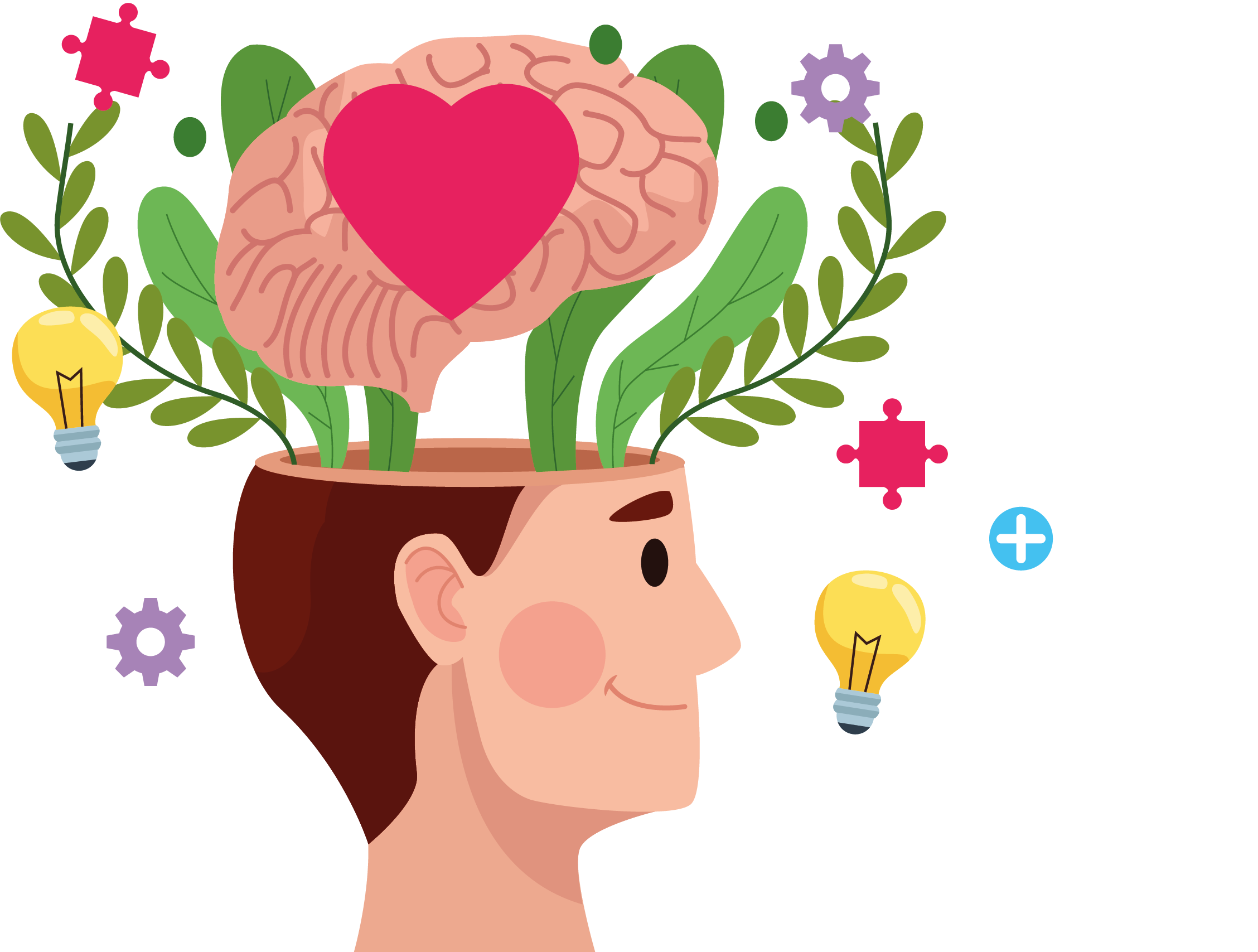

From years of working with individuals struggling with chronic stress and anxiety, I’ve observed firsthand the profound impact of connecting with the body. Many people in the US carry tension without realizing its source, often rooted in an overactive nervous system. Somatic practices for nervous system regulation offer a gentle yet powerful pathway to rebalancing these internal states, moving beyond talk therapy to address physical manifestations of stress and trauma. These approaches teach us to listen to our body’s signals and respond with conscious intention.

Overview:
- Somatic practices focus on the mind-body connection to process stress and unresolved emotional responses.
- They aim to calm an overactive nervous system, shifting from fight-or-flight to states of rest and repair.
- Core techniques include mindful movement, conscious breathwork, interoception (internal sensing), and gentle touch.
- Benefits extend to reduced anxiety, improved emotional resilience, better sleep quality, and decreased physical pain.
- These practices are accessible and can be integrated into daily routines for sustained well-being.
- Rooted in neurobiology, somatic work empowers individuals to self-regulate their internal experiences effectively.
- The ultimate goal is to cultivate a felt sense of safety, presence, and stability within the body.
Understanding the Impact of Somatic Practices for Nervous System Regulation
Our nervous system constantly processes information from our environment and within our bodies. When faced with perceived threats, it instinctively shifts into survival modes like fight, flight, or freeze. This adaptive response is essential for immediate safety. However, chronic stress, past traumas, or ongoing environmental pressures can keep the nervous system stuck in these heightened states. Individuals often experience persistent anxiety, irritability, poor sleep, or digestive issues as a direct result. This is where somatic practices for nervous system regulation become invaluable.
They offer a tangible way to gently guide the body out of these stuck patterns. Through specific movements, focused attention, and intentional breathing, we can signal safety to our brain. This helps to downregulate the sympathetic nervous system and activate the parasympathetic branch. The goal is to restore a sense of balance and calm, building greater resilience over time. I’ve seen clients shift from daily panic to a profound sense of inner peace by learning to work with their body’s innate wisdom.
Embodied Awareness for Stress Resilience
Embodied awareness involves paying attention to internal bodily sensations, a process known as interoception. It’s about feeling what’s happening inside without judgment. For instance, noticing a racing heart, shallow breath, or tension in the shoulders. This deep listening helps us recognize early signs of stress before they escalate into overwhelm. Instead of intellectualizing emotions, we learn to feel them in the body. This approach builds a stronger mind-body connection.
It fosters a sense of agency over our internal experiences. Regular practice cultivates a capacity for greater emotional regulation. We learn to self-soothe by consciously shifting our internal state. This resilience allows us to meet life’s challenges with more presence and less reactivity. It moves us away from being overwhelmed by sensations. Instead, we learn to observe and respond skillfully, creating a buffer against life’s stressors.
Key Principles Behind Somatic Practices for Nervous System Regulation
The effectiveness of somatic practices for nervous system regulation is rooted in established neurobiology and psychology. A core principle is titration, slowly processing sensations to avoid re-traumatization. We work in small, manageable steps, honoring the body’s pace. Another key aspect is pendulation, moving gently between stressful sensations and resources that bring comfort. This gentle oscillation helps gradually expand our window of tolerance for discomfort.
Grounding is also vital, connecting us to the present moment through physical sensations like feeling our feet on the floor. Orienting involves consciously looking around our environment to signal safety to our brain. These methods encourage the body’s natural capacity to self-regulate. They teach us to complete stress cycles that might have been interrupted. The goal is not to eliminate uncomfortable sensations, but to learn how to relate to them differently, promoting a deeper sense of internal security and calm.
Practical Approaches to Somatic Practices for Nervous System Regulation
Integrating somatic practices for nervous system regulation into daily life is simpler than many imagine. Simple breathwork is a powerful tool. Focusing on a slow, extended exhale activates the vagus nerve, calming the system. Gentle movement, like stretching or walking mindfully, also helps release trapped tension. Pay close attention to how your body feels with each step. Body scanning, where you mentally check in with different parts of your body, can reveal areas of tension or comfort.
Techniques like shaking or trembling, often observed in animals after a stressful event, can naturally discharge excess energy. In the US, many practitioners now offer guided sessions, but self-guided exercises are equally beneficial and accessible. The key is consistent, gentle practice. Even short periods of embodied awareness can make a significant difference in managing daily stressors. It builds a lasting foundation of inner stability and peace, fostering true resilience.