
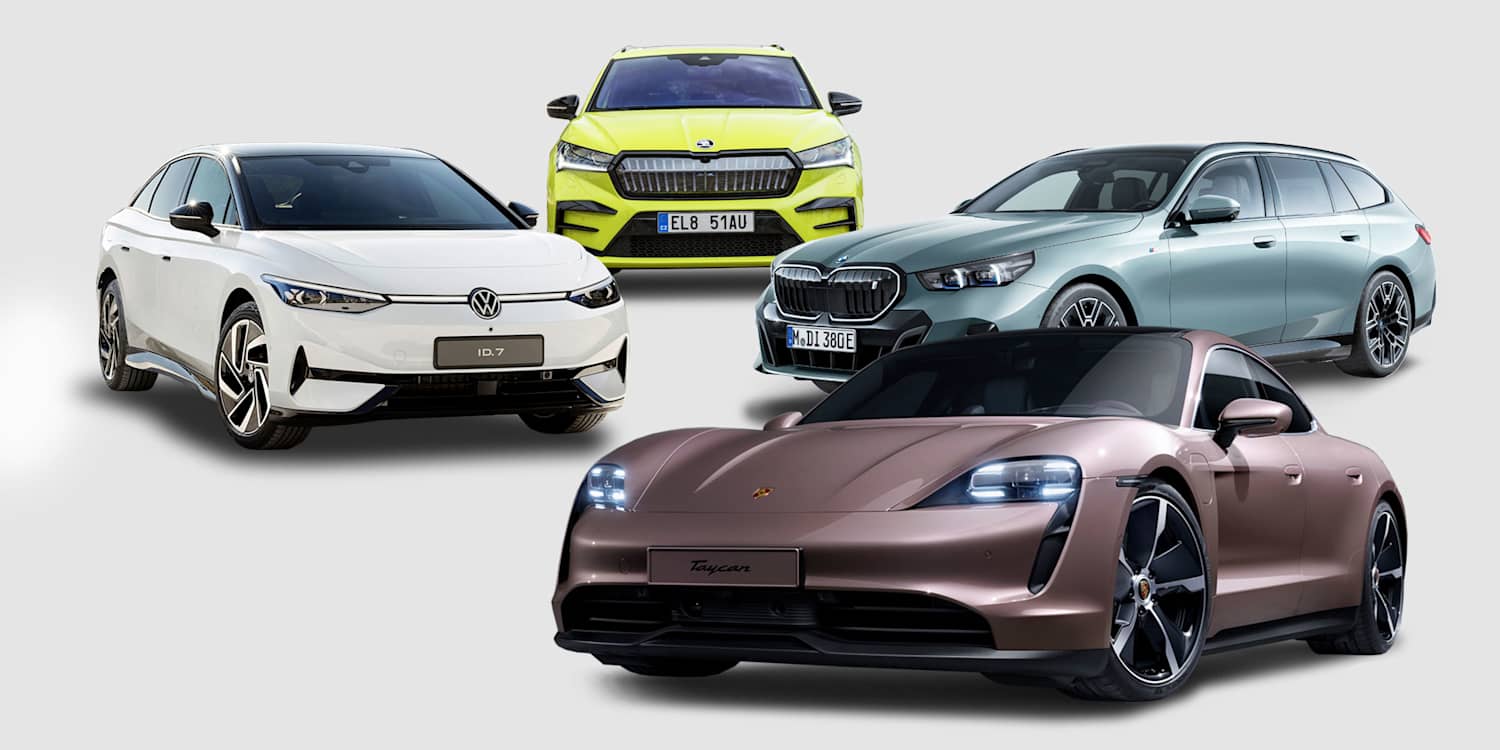
Making a good vehicle comparison can feel like a daunting task, whether you’re looking for a new family sedan, a rugged SUV, or an efficient city car. With so many models and specifications to consider, it’s easy to get overwhelmed. The goal isn’t just to find a car, but to find the right car that genuinely meets your specific needs, budget, and lifestyle. This article provides a structured approach to help you effectively evaluate different vehicles, ensuring you make a well-informed decision that you’ll be happy with for years to come. A methodical Fahrzeug Vergleich is your best friend in this process.

Overview:
- Clearly define your personal and practical needs before starting any vehicle comparison.
- Utilize a variety of trusted resources for research, including professional reviews and owner testimonials.
- Systematically compare vehicle specifications, performance metrics, and safety features.
- Always include a thorough test drive as a critical step in your evaluation process.
- Analyze the total cost of ownership, beyond the purchase price, encompassing fuel, insurance, and maintenance.
- Consider long-term factors like reliability, resale value, and the brand’s reputation for customer support.
Defining Your Needs Before Any Fahrzeug Vergleich
Before diving into brochures or online listings, the most crucial step in any Fahrzeug Vergleich is to clearly define what you need and want from a vehicle. Ask yourself a series of questions: What is the primary purpose of this vehicle? Is it for daily commuting, family trips, off-road adventures, or hauling? How many passengers will you typically carry? What kind of cargo capacity do you require? Your driving environment also plays a role – will you primarily be driving in urban areas, on highways, or country roads?
Consider your budget not just for the purchase price, but for ongoing expenses like fuel, insurance, and maintenance. Do you prioritize fuel efficiency, performance, safety features, or advanced technology? For instance, a family in the US might prioritize ample passenger room and top-tier safety ratings, while a single person might seek agile handling and efficient fuel consumption. Documenting these priorities creates a benchmark, allowing you to filter out unsuitable options early and focus your efforts on vehicles that truly align with your lifestyle. This initial self-assessment prevents wasted time and helps keep your Fahrzeug Vergleich focused and productive.
Reliable Sources for Your Fahrzeug Vergleich Research
Once your needs are defined, gathering information from reliable sources is the next vital step in a thorough Fahrzeug Vergleich. Avoid relying solely on dealership information or marketing materials, as these naturally present vehicles in the best possible light. Instead, consult independent automotive review sites that offer expert opinions and detailed evaluations. Reputable publications often conduct instrumented tests, providing objective data on acceleration, braking, handling, and fuel economy. Look for long-term reviews that discuss how a vehicle performs after thousands of miles.
Additionally, user reviews and owner forums can provide invaluable real-world insights into a car’s reliability, common issues, and overall ownership experience. While individual experiences can vary, patterns in owner complaints or praises can highlight potential strengths and weaknesses not always covered in professional reviews. Government safety ratings, such as those from the National Highway Traffic Safety Administration (NHTSA) or the Insurance Institute for Highway Safety (IIHS) in the US, are essential for evaluating a vehicle’s crashworthiness and safety features. Comparing data from multiple, diverse sources gives you a well-rounded picture for your Fahrzeug Vergleich.
Key Metrics to Evaluate in a Fahrzeug Vergleich
When you start comparing specific models, focus on a consistent set of key metrics to ensure an apples-to-apples Fahrzeug Vergleich. Performance aspects include engine size, horsepower, torque, and transmission type. How does the vehicle accelerate, handle, and brake? Fuel efficiency, often expressed in miles per gallon (MPG), is a crucial long-term cost factor. Beyond raw numbers, consider how these figures translate to your driving style and expected usage. For example, a powerful engine might be appealing, but if it comes with significantly lower MPG and higher fuel costs, it might not be the best fit for daily commuting.
Safety features are paramount. Look beyond standard airbags to advanced driver-assistance systems (ADAS) like automatic emergency braking, lane-keeping assist, blind-spot monitoring, and adaptive cruise control. Infotainment systems, connectivity options, and interior comfort features like seating materials, climate control, and cargo space dimensions also play a significant role in daily satisfaction. Always pay attention to the vehicle’s dimensions, especially if parking space or garage size is a concern. A meticulous comparison of these quantifiable features is central to any effective Fahrzeug Vergleich.
Beyond the Showroom: Long-Term Ownership in Your Fahrzeug Vergleich
A truly effective Fahrzeug Vergleich extends beyond the initial purchase price and features list to encompass the total cost and experience of long-term ownership. This includes factors that can significantly impact your budget and satisfaction over several years. Insurance costs vary widely based on the vehicle’s model, safety ratings, repair costs, and your driving record. Obtain quotes for different models you are considering to avoid surprises. Maintenance and repair costs are another major consideration. Research the typical cost of routine servicing for each model and investigate the general reliability record of the brand and specific model. Vehicles with a history of frequent or expensive repairs can quickly erode any initial savings.
Depreciation, the loss of value over time, is often the single largest ownership cost. Some vehicles retain their value much better than others. Consulting resources like Kelley Blue Book or Edmunds in the US can give you an idea of expected resale values for different makes and models. Warranty coverage, roadside assistance, and the availability and cost of parts are also important. Finally, consider the dealer network and their reputation for service. A great vehicle can be let down by poor after-sales support. By factoring in these long-term aspects, your Fahrzeug Vergleich will provide a much more realistic picture of the commitment you’re making.